

Our Commitment 

From Struggle to Sustainability
In the early days, Organic Greenfields identified a critical gap—farmers in remote regions were struggling with low yields, poor soil health, and financial instability. By educating over 2,500 farmers across Gujarat and Rajasthan in organic and regenerative agriculture, the company transformed their livelihoods. Today, many of these farmers not only continue practicing sustainable farming but also inspire others to adopt eco-friendly practices.

Regenerative Farming: A New Hope
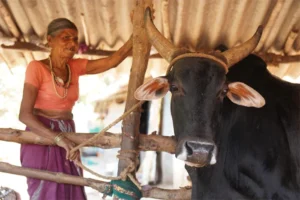
Many tribal communities in untouched regions were already practicing natural farming, but they lacked access to better markets and fair pricing. Organic Greenfields stepped in, providing training, market access, and fair trade opportunities. Through a direct farmer-to-consumer model, these communities now receive better prices for their chemical-free, preservative-free crops, ensuring economic sustainability while protecting their traditional farming heritage.
Reviving Traditional Wisdom
Moving beyond organic farming, Organic Greenfields has embraced zero-chemical, zero-irrigation, and zero-fertilizer farming to restore soil health. This has resulted in healthier crops, increased biodiversity, and improved farmer well-being. These sustainable practices not only enhance farmers' earnings but also contribute to a larger mission of ecological restoration.